How to Build Business Credit for a Child Day Care (NAICS 624410)
🔎 Why Business Credit Matters for NAICS 624410
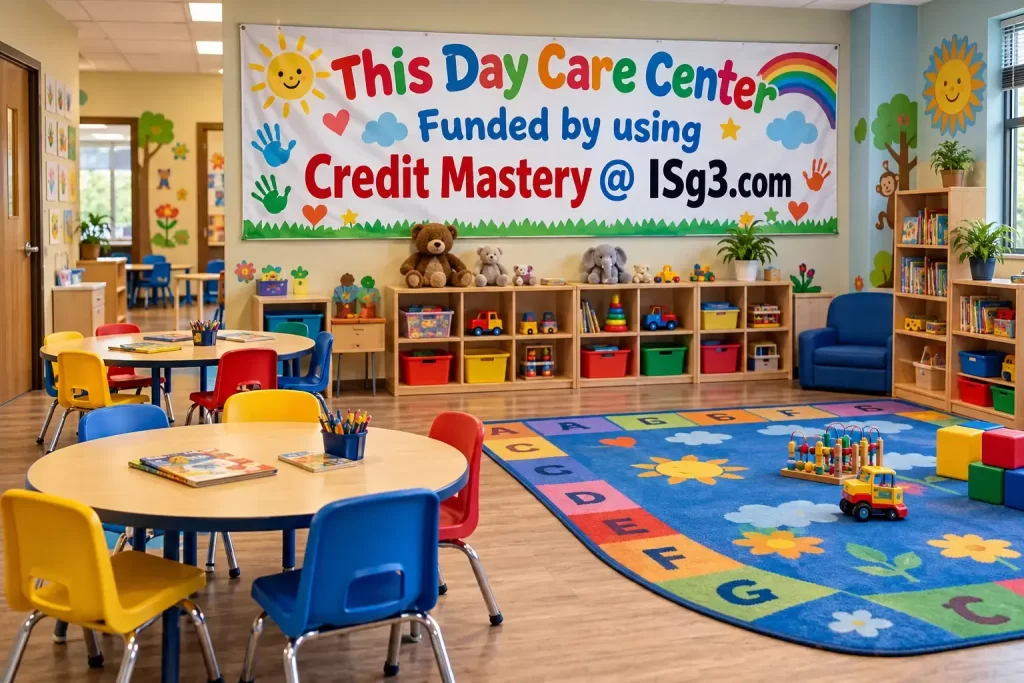
For a Child Day Care Services company (NAICS 624410), maintaining safety, expanding facilities, and acquiring high-value assets demands continuous capital. Whether your center is upgrading commercial vehicles for student transportation, purchasing real estate, or scaling up to meet strict state-mandated child-to-staff ratios, relying entirely on your personal credit limits your operational growth.
Building a robust business credit profile unlocks access to competitive corporate credit cards, flexible vendor payment terms, and lower-interest commercial bank loans without putting your personal family assets at risk. Underwriters often view child care centers with strict scrutiny due to regulatory liabilities, changing seasonal enrollment, and high labor costs. Establishing a distinct, rock-solid corporate financial identity proves to automated lending systems and underwriters that your day care is a stable, independent, and creditworthy institution.
Furthermore, a powerful business credit profile acts as a critical trust signal when applying for state and federal programs. If your center plans to leverage government child care subsidies (such as the Child Care and Development Fund [CCDF] or state-level subsidy programs), having established commercial credit demonstrates the administrative competence and financial stability that government contract officers look for during the vendor approval process.
🗒 Step-by-Step Framework to Build Day Care Credit
1. Establish Your Corporate Compliance Foundation
Before corporate credit bureaus can track your financial performance, your day care must exist as a fully compliant legal entity. Commercial lenders use automated verification algorithms that will instantly flag or reject files with mismatched public business records.
- Legal Structure: Form an LLC or a Corporation. Operating your center as a sole proprietorship blends your personal liabilities with the day care, which completely blocks your ability to build a distinct corporate credit file.
- EIN Registration: File for an Employer Identification Number (EIN) directly through the IRS website. This acts as the corporate Social Security Number for your child care business.
- Physical Facility Address: Use your physical commercial facility or storefront address. Avoid using a residential address or a personal P.O. Box, as these instantly trigger automated underwriting rejections in corporate lending platforms. Ensure your local child care operating licenses, health department permits, and state department of human services credentials match this exact facility address.
- Professional Footprint: Secure a dedicated business phone line listed in national 411 directories and build a professional agency website. Your website must explicitly showcase your child care, early childhood education, or after-school programs to verify your alignment with the 624410 NAICS classification.
2. Register with Commercial Credit Bureaus
Your business financial footprint is tracked by entirely different entities than your personal credit reports. You must proactively ensure your day care is visible in their databases.
- Dun & Bradstreet (D&B): Request a free D-U-N-S Number via the Dun & Bradstreet Official Portal. This nine-digit identifier is universally required for corporate credit tracking, corporate accounts, and government-funded child care grants or contracting.
- Experian Business & Equifax Business: These major commercial credit bureaus automatically open a file for your day care as soon as your first eligible vendor account begins reporting your transaction activity under your EIN.
3. Open Net-30 Vendor Accounts (Tier 1 Credit)
Traditional financial institutions require a baseline history of repayment behavior before approving unsecured corporate lines of credit. The most reliable way to build this is by opening “starter vendor accounts” that offer Net-30 terms (allowing you 30 days to pay for your purchases) and report data directly to the commercial bureaus.
- Day Care & Educational Suppliers: Reach out to major educational distributors, toy supply companies, or commercial safety equipment providers that offer net-30 terms and report directly to D&B or Experian.
- Office & Facility Supplies: Set up baseline accounts with suppliers like Quill, Uline, or Grainger for day care cleaning supplies, safety gates, front-office furniture, and paper goods.
- The Early Payment Catalyst: Always clear these vendor invoices 10 to 15 days before the official due date. A strong Dun & Bradstreet Paydex score ranges from 1 to 100; achieving a top-tier score of 80 or higher requires a consistent, verifiable habit of paying before the invoice due date.
4. Graduate to Store Credit and High-Limit Corporate Cards (Tier 2 Credit)
Once your initial vendor tradelines have reported consistently for 3 to 6 months, your day care can qualify for retail store credit cards and dedicated business credit cards without a personal guarantee.
- Retail Store Accounts: Apply for corporate accounts at major retailers like Home Depot or Lowe’s (for playground maintenance and facility repairs) or Staples to purchase front-desk technology and learning electronics.
- Cash-Flow Based Cards: Look into corporate charge cards that evaluate your day care based on your weekly or monthly cash flow balances and tuition revenue rather than your personal credit score. Utilizing these tools allows you to purchase food supplies, educational software, and learning materials directly via corporate credit lines.
5. Acquire Major Assets and Scale Capital (Tier 3 Credit)
With a strong business credit profile established over 6 to 12 months, your day care can comfortably move into financing high-value, long-term operational infrastructure.
- Commercial Fleet Financing: Instead of buying passenger vans with personal auto loans, utilize your business credit profile to secure equipment lease or commercial vehicle loans. This keeps multi-vehicle liability entirely on the corporate entity.
- Facility Acquisitions and Real Estate: Landlords and commercial sellers review business credit reports before signing long-term building leases or approving commercial real estate loans. Strong business credit ensures your center secures favorable square-foot pricing and lower security deposit requirements.
- Commercial Playground Equipment: High-end, safety-certified commercial playgrounds represent a massive upfront asset cost. Financing these through dedicated business equipment leases preserves your liquid cash.
📊 Strategic Financial Matrix for Child Day Care Centers
| Action Phase | Primary Focus | Core Benefit for NAICS 624410 |
|---|---|---|
| Phase 1: Setup | Legal entity formation, EIN, state day care licensing alignment | Builds a clean, auditable identity that passes automated banking risk reviews. |
| Phase 2: Tier 1 | Net-30 starter accounts for educational & facility supplies | Establishes the initial baseline of positive payment data on your business report. |
| Phase 3: Tier 2 | Retail store credit cards and cash-flow corporate cards | Finances costly classroom furniture, technology, and minor updates without personal liability. |
| Phase 4: Scale Assets | Traditional commercial loans, fleet leasing, facility real estate | Funds multi-vehicle student transport, physical building expansions, and multi-location growth. |
💡 Key Risk Mitigation & Optimization Tips
- Optimize for Government Subsidies: When operating a center reliant on state and federal subsidy voucher programs, your cash flow is tightly bound to government payout schedules. Payout delays can happen. Having a high business credit score allows you to open low-interest revolving lines of credit, ensuring your payroll and daily operational costs remain covered while you wait for government reimbursements.
- Maintain Explicit Data Consistency: Ensure all corporate tax documents, business bank accounts, and state filings explicitly list NAICS Code 624410. Utilizing conflicting codes or misclassifying your center as a generic “educational service” or “babysitting service” can trigger fraud or underwriting mismatches during automated banking reviews and government program audits.
- Keep Flawless Bookkeeping: Use modern, cloud-based accounting platforms to separate private tuition payments, government child care subsidies, and payroll. Lenders and government grant compliance officers will heavily review your clean profit-and-loss statements alongside your corporate credit score to determine your maximum lending limits and contract eligibility.