
Get Business Credit 101
In this article, you’ll learn everything you need to know about Business Credit and how it helps businesses grow and survive in challenging times..

In this article, you’ll learn everything you need to know about Business Credit and how it helps businesses grow and survive in challenging times..

The federal landscape for pandemic relief oversight has completely transformed. With the U.S. Small Business Administration (SBA) executing historic mass suspensions of over 870,000 borrowers and transferring hundreds of thousands of files to the U.S. Department of the Treasury for aggressive collections, administrative leniency is officially over. For individuals who submitted inaccurate, inflated, or false…
The U.S. Small Business Administration (SBA) has executed the largest administrative enforcement action in its history, significantly intensifying the federal government’s post-pandemic oversight operations. In a major joint declaration, federal officials announced the formal suspension of 870,000 borrowers nationwide, collectively linked to an estimated $39 billion in suspected fraudulent activity across the Paycheck Protection Program…
The U.S. Small Business Administration (SBA) and the Internal Revenue Service (IRS) have escalated federal enforcement against pandemic-era relief fraud. Following an extensive agency referral, the IRS has opened official examinations into tax discrepancies associated with approximately $100 billion in Paycheck Protection Program (PPP) and COVID Economic Injury Disaster Loan (EIDL) funds. This joint multi-billion-dollar…
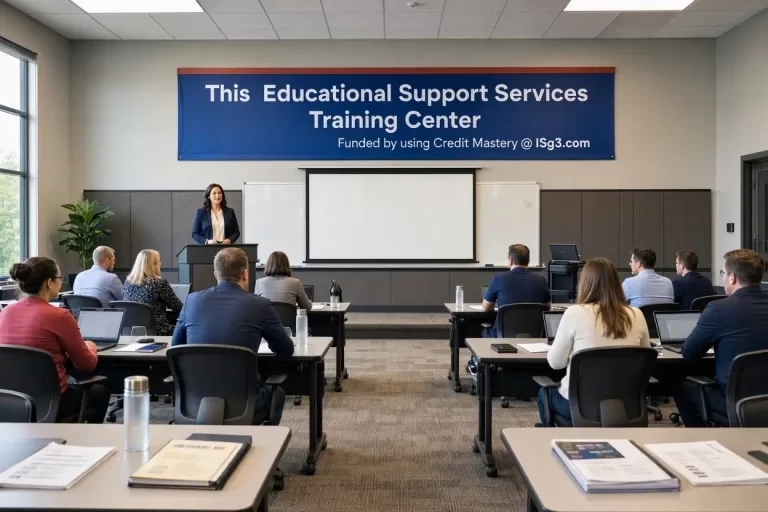
Capital Architecture for Education: A Guide to Building High-Dollar Corporate Credit under NAICS 611710 Operating an enterprise within the NAICS Code 611710 spectrum (Educational Support Services) places your organization at a critical intersection of human capital and operational scaling. Whether your firm specializes in curriculum development, educational consulting, standardized test construction, student exchange program administration,…
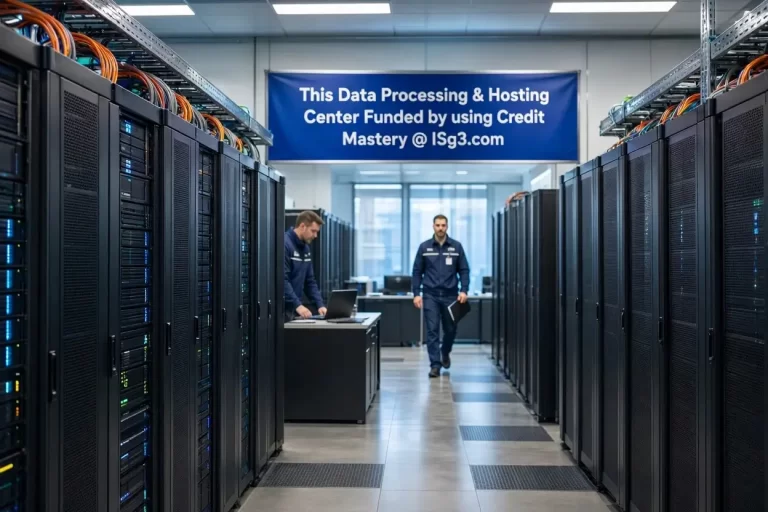
Establishing Corporate Credit in Tech: A Guide for NAICS 518210 Infrastructure Companies Building enterprise credit is a critical operational milestone for companies operating under NAICS Code 518210 (Computing Infrastructure Providers, Data Processing, Web Hosting, and Related Services). Whether your enterprise specializes in automated data entry, infrastructure as a service (IaaS), cloud data storage, or advanced…

🔎 Why Business Credit Matters for NAICS 624410 For a Child Day Care Services company (NAICS 624410), maintaining safety, expanding facilities, and acquiring high-value assets demands continuous capital. Whether your center is upgrading commercial vehicles for student transportation, purchasing real estate, or scaling up to meet strict state-mandated child-to-staff ratios, relying entirely on your personal…

🔎 Why Business Credit Matters for NAICS 812112 For a Beauty Salon company (NAICS 812112) Keeping up with salon trends, high-end product inventory, and modern salon chairs requires steady capital. Whether you are expanding your physical location, purchasing advanced hair styling equipment, or stocking premium retail shelves, relying on your personal credit limits your business…
🔎 Why Business Credit Matters for NAICS 541810 For an Advertising Services company (NAICS 541810), scaling requires capital. Whether you are financing large upfront digital ad buys, investing in high-end creative software, or hiring specialized media planners, relying solely on your personal credit limits your growth. Building a robust business credit profile unlocks access to…
📊 Why Business Credit Matters for NAICS 541611 For companies operating under NAICS Code 541611 (Administrative Management and General Management Consulting Services), scaling requires strategic capital management. Whether your firm is looking to expand its roster of senior advisors, invest in enterprise-grade analytics software, scale digital marketing, or bid on lucrative municipal and government contracts,…

How to Build Business Credit for a Trucking Company Operating a transportation or logistics company requires massive upfront capital. Between escalating diesel costs, routine fleet maintenance, commercial insurance premiums, and the lag time of freight broker payouts, cash flow management is a constant battle. Relying entirely on personal savings or personal credit cards to fund…