False PPP & EIDL Applications: Actions to Take Instead of Worrying
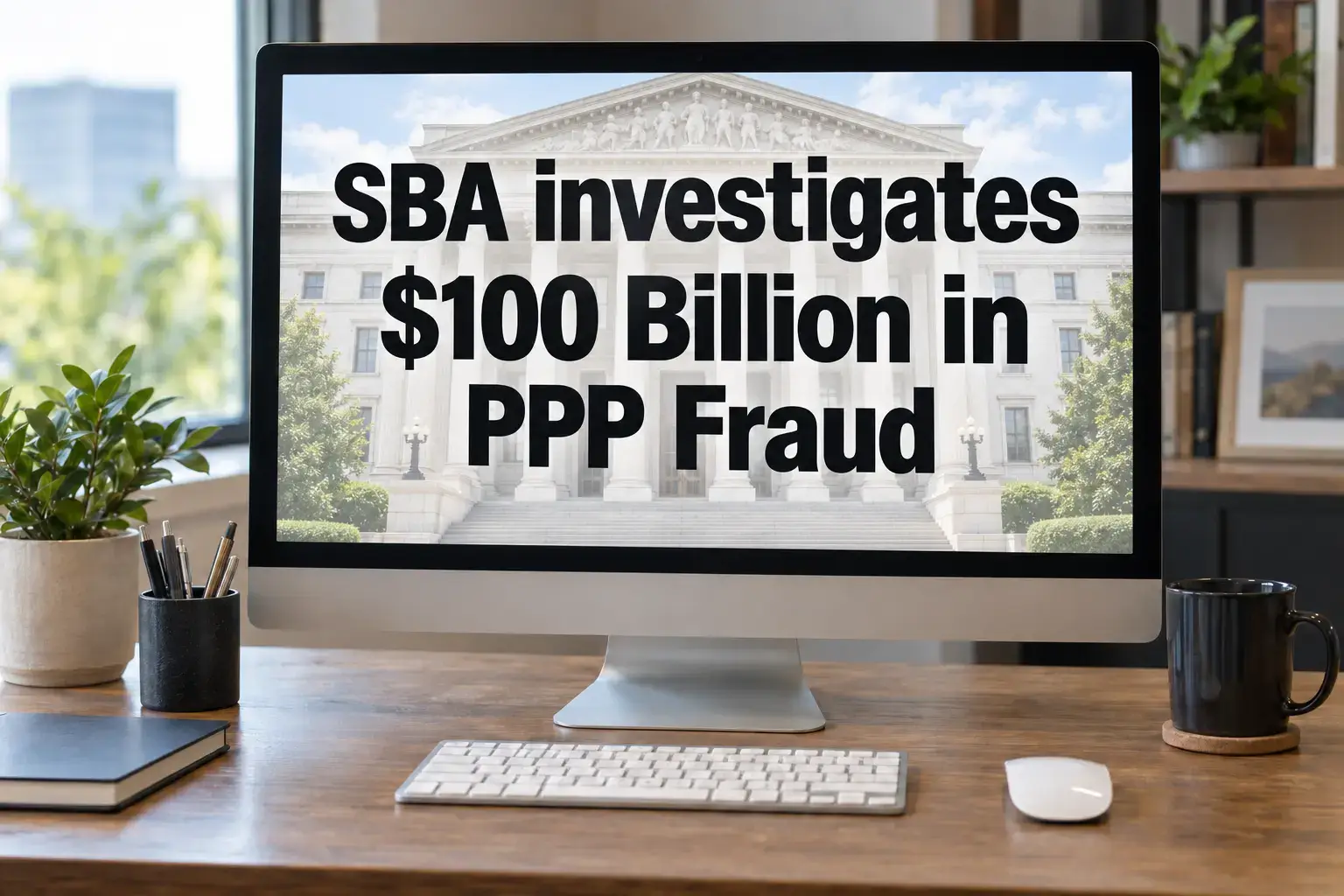
The federal landscape for pandemic relief oversight has completely transformed. With the U.S. Small Business Administration (SBA) executing historic mass suspensions of over 870,000 borrowers and transferring hundreds of thousands of files to the U.S. Department of the Treasury for aggressive collections, administrative leniency is officially over.
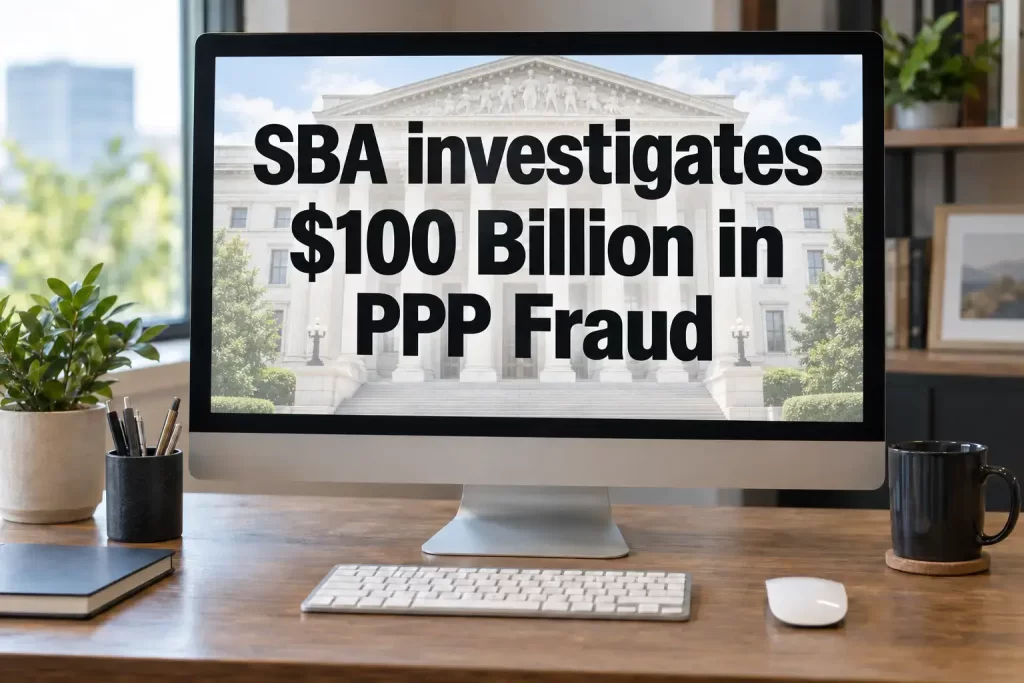
For individuals who submitted inaccurate, inflated, or false Paycheck Protection Program (PPP) or Economic Injury Disaster Loan (EIDL) applications and received funding, the window for quiet inaction is closing rapidly. Merely worrying about federal scrutiny provides zero legal protection. As cross-agency data-matching networks between the SBA, IRS, and Department of Justice (DOJ) tighten, individuals must shift from panic to proactive, calculated risk management.
If you had used Credit Mastery – you would have had credit legitimately!
Step 1: Retain Elite Legal Counsel Immediately
The absolute first step is to establish Attorney-Client Privilege. Do not speak to your CPA, your bookkeeper, your business partners, or bank representatives about potential misrepresentations before speaking to a specialized defense attorney.
- Why standard advice fails: CPAs and financial advisors do not possess attorney-client privilege. If federal investigators issue a subpoena, your accountant can be legally compelled to testify against you regarding conversations about application inaccuracies.
- What to look for: Retain a federal white-collar defense attorney or a tax controversy lawyer with explicit experience navigating SBA Office of Inspector General (OIG) and IRS Criminal Investigation (IRS-CI) matters.
- The legal boundary: Your attorney will serve as a legal firewall, managing all communications with federal agencies so you do not accidentally waive your constitutional rights or make self-incriminating statements.
Step 2: Implement a Strict Internal Document Freeze
Under no circumstances should you attempt to “fix” past mistakes by fabricating new documentation, altering historical payroll records, or deleting digital trails.
- The danger of cover-ups: In federal investigations, the cover-up is frequently prosecuted more aggressively than the initial offense. Destroying files or modifying backdated agreements transforms an existing loan issue into active obstruction of justice and tampering with evidence.
- Preserve everything as-is: Secure all original application submissions, bank statements from the disbursement period, lender communications, and corresponding tax returns exactly as they exist today. Your legal team needs an authentic baseline to build an accurate risk assessment.
Step 3: Conduct a Confidential Forensic Audit
Before federal investigators point out the exact discrepancies in your file, your legal team must uncover them. Your attorney will typically hire an independent forensic accountant under a Kovel Agreement (which extends attorney-client privilege to the accountant’s findings).
This review will categorize the exact nature of the application defects:
- Good-Faith Calculation Errors: Misinterpreting complex net earnings formulas for sole proprietorships or accidentally including non-qualifying independent contractor independent payments.
- Material Misrepresentations: Exaggerating employee counts, fabricating quarterly revenue declines, or utilizing stolen employer identification numbers (EINs).
- Proceeds Misuse: Deploying validly obtained funds toward unapproved personal expenses, real estate purchases, or secondary luxury items instead of business operational costs.
Step 4: Evaluate Voluntary Disclosure and Preemptive Repayment
Once your legal counsel maps out your true level of exposure, you can evaluate structured mitigation strategies. Waiting for an IRS Information Document Request (IDR) or an SBA 30-day demand letter strips away your leverage.
Depending on your specific situation, potential pathways include:
| Mitigation Strategy | Operational Mechanism | Primary Objective |
|---|---|---|
| Voluntary Repayment | Returning the entirety of the unspent, improperly obtained funds directly through official federal payment gateways. | Demonstrating a lack of ongoing fraudulent intent and reducing potential restitution balances. |
| IRS Voluntary Disclosure Practice (VDP) | A formal IRS program allowing non-compliant taxpayers to come forward before an investigation begins. | Mitigating the risk of criminal prosecution referral in exchange for full cooperation and back-tax resolution. |
| Structured Settlement / OIC | Negotiating formal civil resolutions with the Department of Justice or Treasury collectors. | Resolving outstanding balances through civil fine structures rather than allowing files to escalate to criminal indictments. |
Step 5: Cease All Active Violations
If you are currently utilizing improperly obtained funds or hiding behind multiple shell companies, immediately halt all associated financial movements. Continuous use of illicitly gained federal funds constitutes an ongoing criminal enterprise, creating separate, fresh counts of wire fraud and money laundering with every single transaction.
Isolating the problematic funds in a secure, untouched account under legal direction is vital for showing federal authorities that you are actively seeking to contain the damage.
The Reality of Federal Enforcement Tracking
The passage of time is not a defense strategy. Congress extended the statute of limitations for pandemic-related bank fraud and wire fraud to 10 years. Backed by highly sophisticated AI data-matching algorithms, federal agencies are systematically working through millions of historical filings.
Taking control of your legal narrative before an investigator knocks on your door is the only effective way to protect your freedom, minimize civil fraud penalties, and navigate systemic corporate compliance challenges safely.
For deep-dive insight into regulatory developments, risk analysis, and corporate asset defense strategies, review the educational library at ISG3.