Choosing the Wrong NAICS Code Could Be Eliminating Funding Approvals
In the fast-evolving world of business credit and funding, precision is everything. The ISG3 Credit Masteryseries, updated regularly through 2026 with new editions, seminars, and advanced funding tools, equips entrepreneurs with powerful strategies for building personal and business credit, securing trade lines, leveraging aged corporations, and accessing substantial funding lines—often $25,000 to $250,000 or more. Yet, one overlooked detail routinely sabotages even the most diligent students: the North American Industry Classification System (NAICS) code.
A six-digit NAICS code classifies your business’s primary activity for statistical, regulatory, tax, and—critically—lending purposes. Lenders, credit bureaus like Dun & Bradstreet (D&B), Experian Business, and Equifax Business, the Small Business Administration (SBA), and automated underwriting systems rely on it to assess risk before a human reviewer even glances at your application. Selecting the wrong one can quietly flag your business as high-risk, trigger automatic declines, reduce credit limits, or inflate interest rates—even when your credit scores, revenue, and ISG3-implemented structures are rock-solid.
Let’s explore the mechanics, real-world consequences, strategic implications for ISG3 Credit Mastery practitioners, and actionable steps to align your NAICS code with funding success in 2026 and beyond.
Understanding NAICS Codes: Your Business’s Financial Fingerprint
NAICS codes, created and maintained by the US Census Bureau in partnership with Canada and Mexico, replaced the older SIC system. They provide a hierarchical structure: the first two digits represent the broad sector while subsequent digits narrow it to specific industries and specialized businesses.
When you obtain an EIN, file taxes, register with D&B, or apply for credit, this code travels with your business profile. Lenders use it to bucket industries into risk tiers:
- Preferred/Low-Risk: Stable sectors like healthcare, professional services, education, or IT consulting are often seen obtaining expedited approvals, higher limits, and better terms.
- Normal Risk:Balanced industries with standard underwriting.
- High-Risk: Volatile sectors such as certain construction, restaurants, bars, nightclubs, concert promotions, the recording industry for music, trucking, or in real estate brokerage code 531210. These trigger extra scrutiny, lower limits, or higher rates. Most Non-Profit organizations.
- Prohibited/Restricted: Gambling, adult entertainment, payday lending, or political activities—often automatic declines.
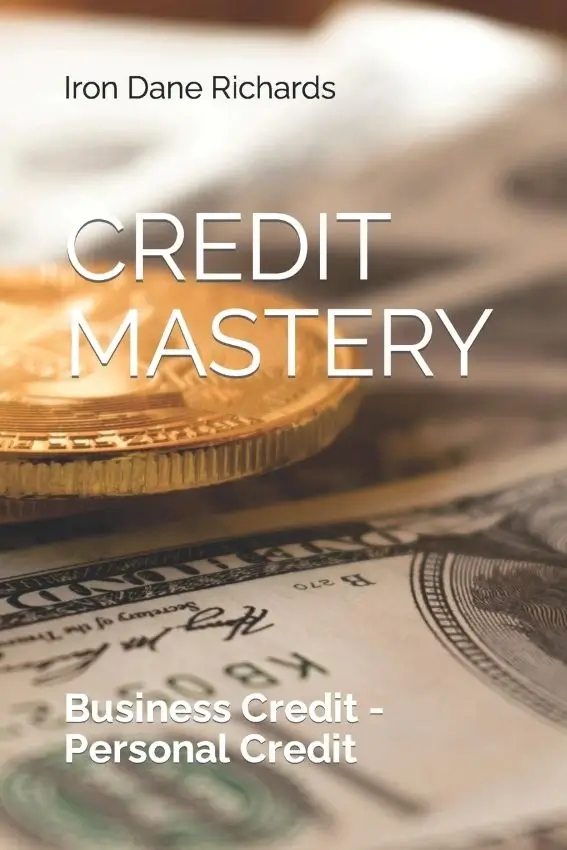
For ISG3 users building business credit through vendor accounts, corporate credit cards, and bank loans, the code directly influences Paydex scores, business credit reports, and lender algorithms. Misclassification can undermine the month-by-month credit-building plans detailed in the Credit Mastery: Business Credit – Personal Credit book (9th printing, 2026) or at the seminar.
The Hidden Cost: How Selecting a Wrong Code Eliminates Your Approvals
Data and lender behavior reveal the stakes. Studies and surveys indicate that businesses with accurate NAICS codes enjoy approximately 34% higher loan approval rates. Conversely, misclassified applications account for a significant portion of denials—some estimates suggest up to 41% involve code issues. Lenders using NAICS in initial screening (reportedly around 67%) may reject high-risk codes outright or assign them to stricter tiers.
Automated Risk Scoring: Many banks and fintechs feed NAICS into algorithms alongside credit scores and financials. A high-risk code can lower your effective business credit score or tighten underwriting before manual review. For example, shifting from real estate brokerage (531210, often viewed as speculative) to residential property management (531311, a recurring revenue model) has reportedly unlocked dramatically higher limits in case studies—same properties, same cash flow, different perception.
SBA and Government Funding:SBA loans use NAICS for size standards (employee count or revenue thresholds determining “small business” eligibility) and industry-specific programs. By selecting an improper code, you chance eliminating your application for funding at preferred lending or set-asides.
Business Credit Reports and Scores:D&B, Experian, and others factor industry into scoring models. A mismatched high-risk code drags down comparisons to peers, affecting vendor credit, trade lines, and overall fundability—the core of ISG3’s system.
Insurance and Other Impacts: Higher premiums or restricted coverage in “risky” industries compound the problem, indirectly affecting cash flow for credit building.
Real-world examples abound. A remodeling business coded under roofing contractors (potentially higher volatility) versus residential remodelers might face different size standards or risk flags. Restaurant owners using a full-service code often hit walls that a related but lower-risk classification might avoid. ISG3 seminar attendees frequently discover legacy codes from EIN setup or accountant filings no longer match their evolved operations—especially those using aged corporations or multiple entities.
Why ISG3 Credit Mastery Users Mitigate Being Vulnerable
The Credit Mastery series emphasizes rapid, structured credit building: establishing entities (Nevada, Wyoming, etc.), securing initial vendor accounts, building Paydex, layering trade lines, and scaling to six-figure funding. Updates in 2026 editions highlight new lenders, post-pandemic workarounds, Verify on Demand, CD strategies, and advanced tools from companion books and seminar.
However, these powerful structures amplify NAICS risks:
Multiple Entities: Each aged corporation or new LLC needs its own accurate code. A blanket “consulting” code might not fit a real estate-focused or product-based operation. Business Model Evolution: Students implementing sweeps, CPN strategies (where applicable and compliant), sole proprietor conversions, or ICO/tradeline tactics may shift primary activities. Funding Applications: When applying to ISG3-recommended credit unions, banks, or private sources, inconsistencies across IRS filings, D&B, state records, and applications raise red flags. High-Volume Applications: Aggressive credit building generates multiple inquiries. A high-risk code compounds scrutiny.In seminars and the books, Iron Dane Richards stresses documentation and compliance. A mismatched NAICS undermines the “center of influence” banking relationships and other strategies taught in the series.
Choosing and Updating Your NAICS Code: A Step-by-Step Guide for 2026
- Determine Your Primary Activity: Base it on what generates the most revenue or defines your core operations—not secondary services. Use the official U.S. Census Bureau NAICS search tool or manual. For hybrid businesses, select the code aligning with the most stable, fundable activity.
- Research Risk Profiles:Cross-reference common low-risk codes (e.g., dental offices, physicians, fitness centers) against high-risk lists. No universal “banned” list exists, but patterns from SBA data and lender practices are clear. Consult ISG3-updated lender lists.
- Update Everywhere:
- IRS tax filings (amend if necessary, but cautiously).
- State business registrations.
- D&B profile (critical for Paydex).
- Business credit reports.
- Bank accounts and applications.
- Website, marketing, and contracts for consistency.
Propagation takes 7–30 days. Test with smaller vendor accounts before major applications.
For ISG3 Strategies:Align entity purpose documents with the code. In aged corporation builds, ensure the NAICS supports the intended funding narrative. Use business plans that reinforce the classification.
Appeals and Corrections:For SBA or government contexts, appeal via OHA if clearly erroneous. For private lenders, provide documentation explaining the business model.
Caution: Never falsify. Lenders view misrepresentation as fraud. Choose a code that genuinely reflects operations.
Case Studies and Success Patterns
Real Estate Shift: Brokerage-coded LLCs denied or lowballed; switching to property management unlocked $100K+ in approvals.
Service Businesses: Janitorial services under a lower-risk code (e.g., vs. a more volatile subcategory) reportedly doubled limits.
Healthcare/Professional:These consistently rank high in SBA funding volume—ideal targets for ISG3 users diversifying.
ISG3 practitioners who audit and align codes during credit-building phases report smoother scaling to $250K–$1M lines using seminar techniques.
Broader Implications and Best Practices in 2026
Economic uncertainty, AI-driven underwriting, and tighter regulations make NAICS scrutiny sharper. ISG3 updates address this by refreshing lender intel quarterly. Combine accurate classification with strong personal credit (750+ scores via sweeps and tradelines), robust financials, and documented history for optimal results.
Monitor annually or after major pivots. Tools like Nav or direct D&B reports help verify. For complex setups, consult advisors familiar with Credit Mastery methods.
Conclusion:Turn Your NAICS into a Funding Superpower
Choosing the wrong NAICS code isn’t a minor paperwork error—it’s a silent killer of funding approvals that can derail even the most sophisticated ISG3 Credit Mastery implementations. In a system built on strategic entity building, rapid credit layering, and insider funding tactics, alignment across all touchpoints is non-negotiable.
By mastering your NAICS code alongside the latest 2026 series updates—aged corporations, advanced tools, seminar manuals, and proven lender strategies—you transform a potential liability into a competitive edge. Stable classifications open doors to preferred terms, higher limits, and sustained growth.
Review your code today. Update consistently. Integrate it into your Credit Mastery blueprint. The funding you’ve been building toward is often just one correct classification away. For the latest tactics, dive deeper into ISG3 resources, attend a seminar, and stay ahead in the dynamic credit landscape.