How to Build Business Credit for NAICS 518210 Data Processing & Hosting
Establishing Corporate Credit in Tech: A Guide for NAICS 518210 Infrastructure Companies
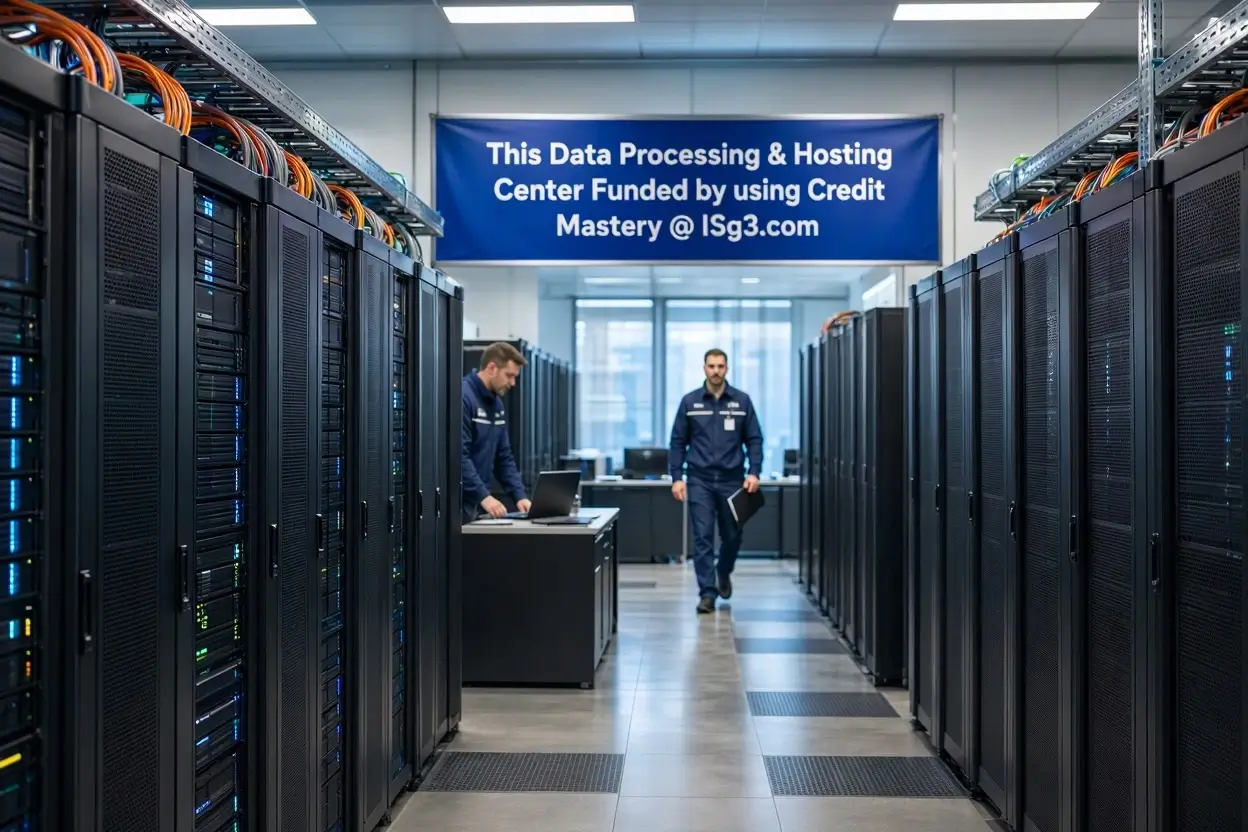
Building enterprise credit is a critical operational milestone for companies operating under NAICS Code 518210 (Computing Infrastructure Providers, Data Processing, Web Hosting, and Related Services). Whether your enterprise specializes in automated data entry, infrastructure as a service (IaaS), cloud data storage, or advanced business intelligence analytics, your reliance on capital-intensive physical servers, networking hardware, and cooling infrastructure necessitates a robust corporate credit footprint.
Because lenders and commercial underwriters frequently flag high-tech and computing infrastructure sectors as volatile or high-risk due to cyber liabilities and rapid scaling patterns, following a precise blueprint ensures your organization qualifies for non-dilutive capital, massive equipment leasing lines, and strategic vendor terms without requiring a personal guarantee.
Understanding the Underwriting Friction in NAICS 518210
Before submitting a single credit application, you must understand how automated risk algorithms view your classification. Underwriters processing applications for code 518210 look at specific structural indicators:
- High Equipment Obsolescence Rates: Servers and data center gear degrade or become technologically obsolete within three to five years, making uncollateralized hardware loans riskier for traditional banks.
- Elevated Operational Risk: Data hosting and processing environments handle sensitive information, posing significant systemic risk if a security breach occurs.
- High Regulatory Standards: Federal and enterprise procurement requirements—such as NIST 800-171 or FedRAMP compliance for government data contracts—mean that undercapitalized firms face severe compliance challenges.
To overcome these algorithmic hurdles, your business data must reflect absolute legitimacy across all corporate systems before you apply for commercial financing.
Step 1: Architecting an Unshakeable Corporate Identity
Corporate credit bureaus and bank underwriting systems use automated identity cross-checking to verify that a business is a separate, functioning legal entity before extending credit. If any details are inconsistent, your application will face automated rejection.
1. Formal Legal Structuring
Ensure your data enterprise is organized as a Limited Liability Company (LLC) or a Corporation (C-Corp/S-Corp). Avoid operating as a sole proprietorship. File your articles of organization with your Secretary of State, ensuring your legal name perfectly matches your technical operational name.
2. Clean IRS Registration
Obtain an Employer Identification Number (EIN) directly from the Internal Revenue Service. When completing federal documentation, use your exact corporate entity name, down to punctuation like commas or periods.
3. Enterprise Contact Infrastructure
- Physical Location: Tech hosting firms require a verifiable commercial address. Automated underwriter systems check geographic databases against residential boundaries. If a dedicated data center space is not yet feasible, utilize a formal commercial office address or a legitimate co-working lease. Avoid using P.O. boxes or residential addresses, as these indicate high risk to lenders.
- Telecommunications: Secure a dedicated business landline or a corporate Voice over IP (VoIP) number registered with national directory assistance databases, such as 411.
- Digital Presence: A business intelligence or web hosting firm must possess a professional web presence hosted on a private domain (e.g.,
yourcompany.com). Your business email must use this extension rather than standard consumer services like Gmail or Yahoo.
Step 2: Registering with Major Commercial Bureaus
Unlike consumer credit, your corporate credit profile will not generate automatically based on activity. You must proactively establish your record with the primary industrial credit bureaus.
Dun & Bradstreet (D&B)
Dun & Bradstreet is the old standard for corporate credit reporting. Also SBFE and Equifax for hard money loans and bank lines of credit.
- Visit the [Dun & Bradstreet Registration Portal](dnb.com dnb-free-duns-number) to request a Data Universal Numbering System (DUNS) Number.
- This registration is completely free for small businesses.
- The DUNS number acts as your firm’s primary financial tracking mechanism and is necessary to generate a PAYDEX SCORE, which ranks your company’s repayment performance on a scale from 1 to 100.
Experian Business & Equifax Business
Once your entity is registered, monitor your profile with Experian Business and Equifax Business. These agencies track financial credit liabilities, credit utilization ratios, and legal public records like UCC-1 filings or tax liens. Ensure your corporate details are uniformly populated across all three networks.
Step 3: Activating Net-30 Trade Lines (Tier 1)
With your structural foundation set, you can begin populating your credit profiles with real payment data. The fastest approach is using Tier 1 vendor lines of credit, which allow you to buy business supplies now and pay the full balance within 30 days.
Look for starter vendors that report directly to Dun & Bradstreet or Experian Business without checking your consumer credit score.
- Office & Operational Supplies: Choose commercial supply partners like Uline or Quill to purchase office essentials, shipping boxes, or warehouse equipment.
- Maintenance & Facility Tools: Establish an industrial account with Grainger for facility equipment, cables, and structural infrastructure accessories.
- Technology & Cleanliness Supplies: Leverage basic corporate lines with major retailers that offer dedicated commercial billing terms, ensuring they report your payment histories monthly.
The Golden Rule of Tier 1 Credit: You must complete at least 3 to 5 separate purchases across different net-30 accounts. Pay every invoice within 10 to 12 days of receipt. Because corporate payment scores measure how early you pay relative to your terms, early payments help maximize your initial corporate score.
Step 4: Securing Infrastructure and Server Financing (Tier 2)
As an enterprise operating under NAICS 518210, your primary expenses will center around cloud hardware, dedicated servers, rack space, high-performance switches, and software licensing. Tier 2 financing transitions your business away from basic office vendors and toward tech-specific credit lines.
+--------------------------------------------------------+
|              NAICS 518210 CREDIT JOURNEY               |
+--------------------------------------------------------+
|                                                        |
|  [Tier 1: Foundations] -> Net-30 Operational Vendors  |
|                                (Uline, Quill, etc.)    |
|                                                        |
|  [Tier 2: Tech Scaling] -> Infrastructure Financing    |
|                                (Dell, HP, CDW, etc.)   |
|                                                        |
|  [Tier 3: Enterprise]   -> Unsecured Bank Capital      |
|                                & Fleet Vehicle Leases  |
+--------------------------------------------------------+
Once your initial net-30 trade lines report positive, on-time payments, apply for dedicated corporate tech lines:
- Hardware Manufacturers: Apply for corporate accounts directly with original equipment manufacturers like Dell Financial Services or HP Financial Services. These entities regularly report trade lines and provide lease options specifically tailored for data center architecture.
- IT Distributors: Establish commercial accounts with major enterprise IT infrastructure suppliers such as CDW Corporation or Newegg Business. These distributors offer credit limits suited for buying storage components, memory upgrades, and structural hardware.
Step 5: Transitioning to Unsecured Corporate Cards (Tier 3)
After compiling a history of early payments across 8 to 10 distinct trade lines, your organization can move past vendor-specific credit limits. At this point, you can apply for unsecured commercial credit cards that require no personal guarantee.
- FinTech Enterprise Cards: Evaluate modern business cash management platforms that extend lines based on your liquid bank deposits and corporate revenue, rather than personal credit checks.
- Traditional Bank Lines: Approach the commercial banking institution that manages your primary corporate checking account. Present clean balance sheets showing steady revenue. Because you have established clear payment tracks under NAICS 518210, banks can confidently underwrite your firm for uncollateralized line-of-credit options.
Summary Checklist for NAICS 518210 Credit Readiness
To keep your business credit optimized for modern AI evaluation systems and human banking underwriters alike, monitor this clear operational workflow:
| Stage | Focus Area | Essential Requirement |
|---|---|---|
| 01 | Structural Legitimacy | LLC/Corp formation, commercial business address, and dedicated VoIP line. |
| 02 | Bureau Onboarding | Register for a free DUNS Number via Dun & Bradstreet and check Experian Business profiles. |
| 03 | Tier 1 Capital | Activate 3 to 5 Net-30 vendor accounts and pay every balance well before the 30-day limit. |
| 04 | Infrastructure Scaling | Transition to technology equipment leasing through enterprise manufacturers like Dell or HP. |
| 05 | Enterprise Funding | Leverage established payment records to secure high-limit, unsecured bank cards. |
By steadily separating your personal assets from corporate operations, your hosting and business intelligence enterprise will possess the financial positioning necessary to win high-value infrastructure contracts and scale sustainably.
Discover how to establish strong business credit under NAICS 518210 for data center processing, cloud hosting, and business intelligence firms. Avoid high-risk traps and secure server financing using Credit Mastery.